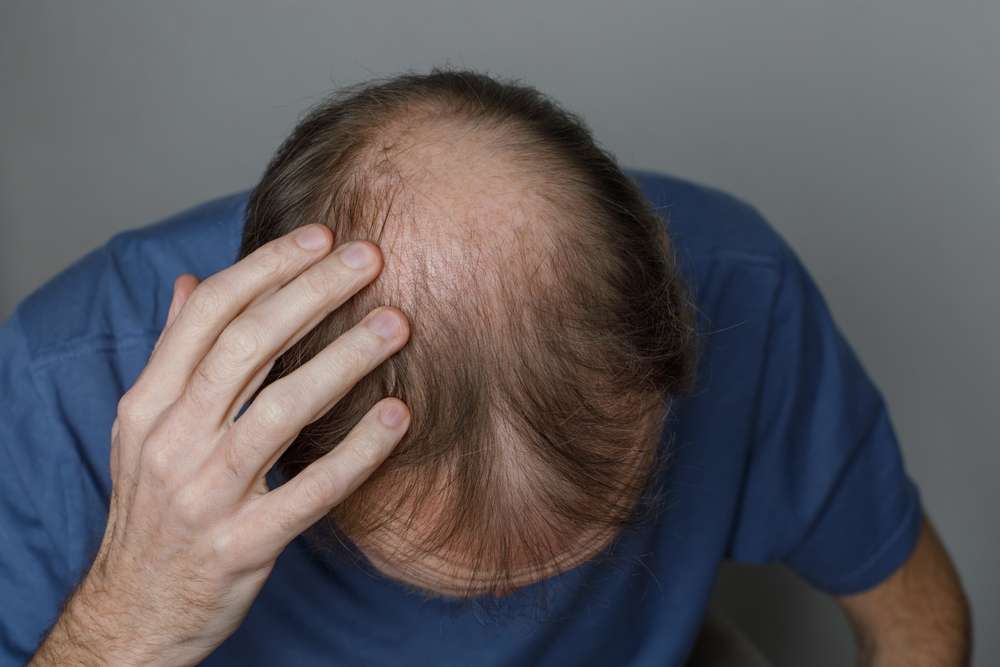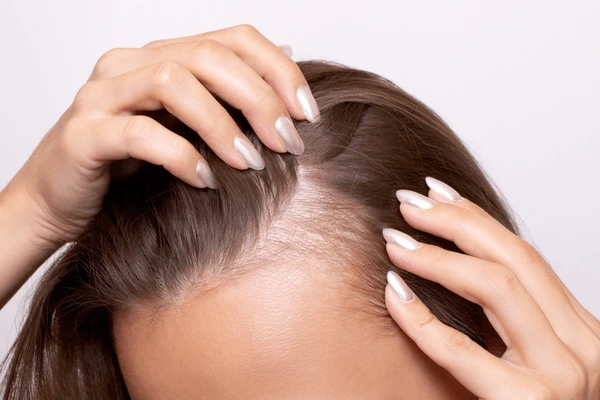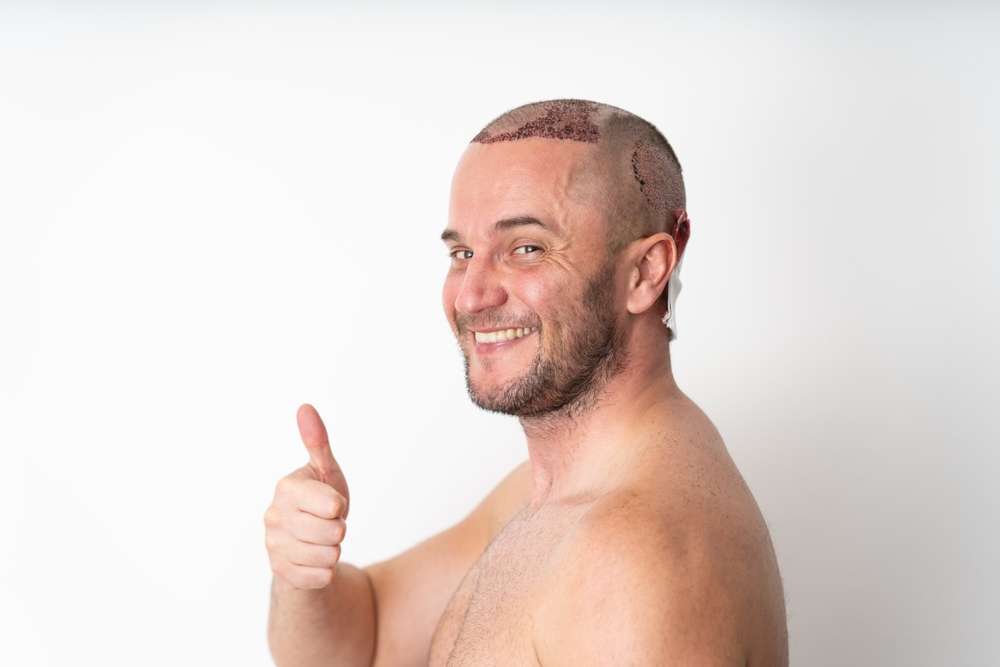
Every man remembers the exact moment. You step out of the shower, wipe the mirror, and push your wet hair back. Something looks different. The corners above your temples seem higher than last year. You suddenly wonder if you are developing a thinning front. This realisation hits hard. It sends you down a rabbit hole of old photographs. Losing your hair is a deeply emotional experience. For many men in the UK, a receding hairline acts as the first undeniable sign of ageing. It alters how you see yourself.
What Exactly is a Receding Hairline?
A receding hairline occurs when hair progressively stops growing at the front of your scalp. It usually starts directly above the temples. Over time, the hair loss moves backwards across the top of the head. Most men notice an M-shape or a V-shape forming. This specific pattern happens because follicles here are highly sensitive to certain hormones. They shrink over time. Eventually, they stop producing hair entirely.
The Maturing Hairline Versus True Hair Loss
Not every change means you are going bald. Almost every man experiences a maturing front during his twenties. A maturing edge slightly pushes back from your childhood boundary. It settles about an inch higher above your highest forehead wrinkle. This is natural. It does not automatically turn into a bad hairline later in life.
The Timeline of Change
The speed of your hair loss offers a major clue. A maturing boundary changes very slowly over a decade. It eventually stops moving. A receding hairline behaves quite differently. It aggressively pushes backward in a matter of months. You will notice significant changes between your regular haircuts.
The Shape of Things to Come
A maturing front remains relatively straight across your forehead. It just sits slightly higher than before. A true receding hairline creates deep, noticeable recessions at the temples. The central patch of hair often stays strong for a while. This leaves an isolated island of hair at the front.
Spotting the Earliest Signs of a Receding Hairline
Catching hair loss early gives you the most options. Many men ignore the problem until a significant amount of hair disappears. You can protect your existing hair if you know exactly what to look for.
The Temple Test
The temples are ground zero for a receding hairline. Take a close look at the corners of your forehead. Push your hair back under harsh bathroom lighting. You might notice the hair feels significantly thinner in these corners. This unequal density usually signals that frontal hair loss has officially started.
Miniaturisation at the Front
Hair does not just vanish overnight. Before a follicle dies, it produces weaker hair. We call this process miniaturisation. Look closely at the very front edge of your hair. Do you see short, wispy, transparent hairs along the boundary? These miniaturised hairs look like peach fuzz. A receding hairline always leaves a trail of these weakened hairs in its wake.
The Comb-Over Instinct
Sometimes the signs are psychological rather than strictly physical. Pay attention to your morning routine. Do you spend more time styling the front of your hair to cover the corners? Are you suddenly relying on messy fringes to hide your forehead? When you unconsciously change your hairstyle to mask thinning, you are actively managing a receding hairline.
Why British Men Worry About a Bad Hairline
Your hair frames your face. It dictates your facial proportions. When you develop a bad hairline, it can make your forehead appear overly large. This visual shift often ages a man prematurely. In the UK, banter culture and harsh office lighting can make men feel intensely self-conscious. A bad hairline can genuinely affect your confidence in social situations or professional settings. You might start wearing hats indoors. Acknowledging this emotional impact is the first step toward taking back control.
What Causes a Receding Hairline?
Genetics play a massive role, but the inheritance pattern is incredibly complex. You can inherit the genes for a receding hairline from either side of your family. If the men in your family lose their hair, your chances increase significantly.
The Role of Hormones
The real culprit behind a receding hairline is a hormone called Dihydrotestosterone. Your body naturally converts testosterone into this chemical. For men with a genetic predisposition, the hair follicles at the front of the scalp are acutely sensitive to it. It strangles them over time. The growth cycle becomes shorter. The hair becomes thinner. Eventually, the follicle shuts down permanently, cementing the shape of your receding hairline.
Taking Action When You Notice a Receding Hairline
Denial is your worst enemy. If you constantly worry about the mirror, you need a proactive plan. A receding hairline will not fix itself. You must take deliberate steps to protect the hair you still have.
Documenting the Changes
You cannot rely on your memory to track hair loss. You need objective evidence. Take clear, well-lit photos of your scalp today. Take pictures from the front and both profiles. Set a calendar reminder to take identical photos every three months. Comparing these pictures will tell you instantly if your receding hairline is aggressively moving backwards or if it has stabilised.
Exploring Proven Treatments
You have legitimate medical options in the UK today. You no longer have to accept hair loss gracefully. Clinically proven medications can effectively halt the progression of a receding hairline. They work by blocking hormones and stimulating blood flow to the follicles. If your hair loss has already advanced significantly, you might explore surgical restoration. Modern transplants can rebuild a natural front and completely erase the appearance of a receding hairline.
Moving Forward with Confidence
Discovering hair loss can feel overwhelming. It forces you to confront your own ageing process. However, you live in an era where going bald is entirely optional. You can choose to shave your head and embrace a bold new look. You can choose to use medical treatments to maintain your current coverage. You can choose to invest in a transplant to restore your youthful appearance. The only wrong choice is ignoring the problem while letting your confidence slowly slip away. Take a deep breath, evaluate your options, and decide how you want to handle your hair today.