Recovering from a hair transplant is an important phase that can affect the overall success of the procedure. Patients across the UK often ask how to make the healing process as comfortable as possible. Whether you are visiting a hair transplant London clinic or considering options throughout hair transplant UK, adopting careful practices during recovery ensures a smoother experience and better results.
Understanding the Recovery Process
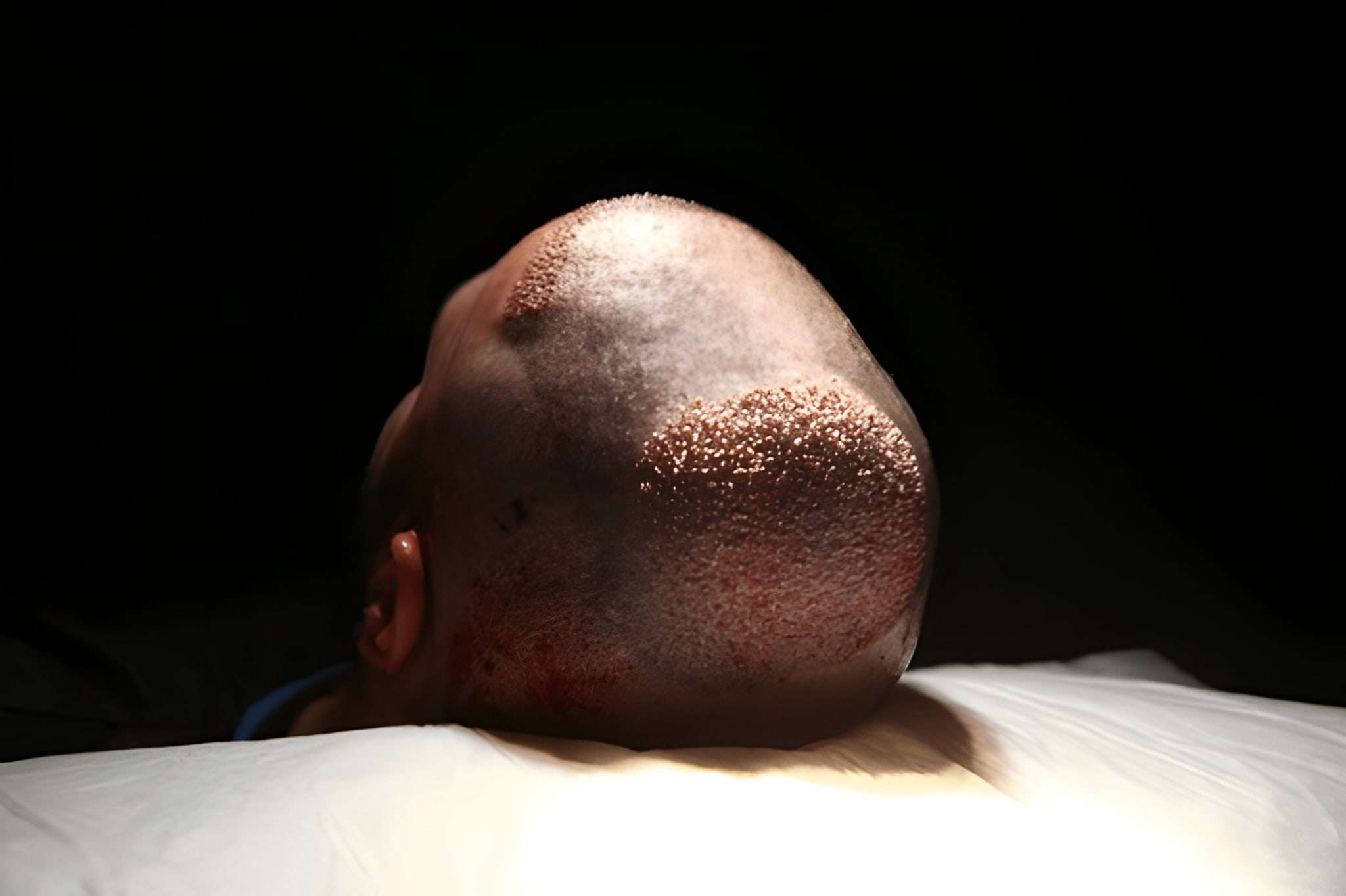
Hair transplant recovery typically involves mild swelling, redness, and tenderness in the first few days. These are normal responses to the surgical procedure. Some patients may also notice small scabs forming around the transplanted follicles.
Hair transplant London specialists explain that these reactions are temporary and indicate that the scalp is healing. Across hair transplant UK clinics, patients are reassured that following aftercare guidance is key to minimising discomfort and promoting graft survival.
Keeping Your Head Elevated
Sleeping with your head elevated for the first few nights can significantly reduce swelling and discomfort. Using extra pillows or a reclined chair position helps prevent fluid accumulation around the forehead and eyes.
Hair transplant London clinics often recommend maintaining this position for the first three to four nights. Across hair transplant UK providers, patients find that simple adjustments to sleeping posture can make a noticeable difference in comfort during the early recovery period.
Gentle Scalp Care
The transplanted area is sensitive and requires careful handling. Avoid touching, scratching, or rubbing the scalp. Washing should be done gently with mild shampoos as instructed by your clinic.
Hair transplant London specialists emphasise following the washing schedule and techniques provided. Across hair transplant UK clinics, adherence to gentle scalp care supports healing, reduces irritation, and protects the newly implanted follicles.
Managing Swelling and Redness
Swelling and redness are common during the first week. Cold compresses applied gently to the forehead—not directly on the grafted area—can ease discomfort.
Hair transplant London patients are often advised to avoid bending over or heavy lifting, which can exacerbate swelling. Across hair transplant UK clinics, controlling physical activity is an effective way to stay comfortable while the scalp heals.
Pain Relief and Medications
Mild discomfort is normal, and pain relief can help maintain comfort. Over-the-counter painkillers or prescribed anti-inflammatory medications are often recommended.
Hair transplant London clinics advise taking medications exactly as prescribed. Across hair transplant UK providers, patients report that following medication instructions carefully reduces discomfort and allows for a more relaxed recovery.
Lifestyle Adjustments for Comfort
Simple lifestyle choices can support comfort and healing. Staying hydrated, eating a balanced diet, and avoiding alcohol and smoking contribute to faster recovery and less irritation.
Hair transplant London specialists also recommend light activity, such as short walks, to improve circulation without straining the scalp. Across hair transplant UK clinics, maintaining a calm and healthy routine helps patients feel better and recover more smoothly.
Managing Itching and Scabs
Itching is a normal part of healing, as is the formation of small scabs around transplanted follicles. Avoid picking or scratching these areas, as it can damage grafts.
Hair transplant London clinics often provide soothing sprays or solutions to reduce itching. Across hair transplant UK providers, patients find that patience and careful care help the scalp heal naturally without compromising results.
Follow-Up Appointments
Regular check-ins with your clinic ensure that recovery is on track. Specialists can address any concerns, provide advice, and adjust care if needed.
Hair transplant London clinics schedule follow-ups to monitor healing and guide patients through each stage. Across hair transplant UK clinics, attending these appointments increases confidence and comfort during recovery.
Final Thoughts
Staying comfortable during hair transplant recovery involves a combination of careful scalp care, lifestyle adjustments, and following professional guidance. From keeping your head elevated to gentle washing, pain management, and attending follow-up appointments, each step contributes to a smoother healing process. Whether visiting a hair transplant London clinic or exploring hair transplant UK options, prioritising comfort during recovery helps ensure optimal results and a positive post-surgery experience.